
3D Printing a Carbon Fiber Drone – Part 2
Writer's Note: A few weeks ago we introduced the 3DR Iris+ drone upgrade project we were working on. This week, we're diving into some of the modifications we had to make to the electrical system that make the upgrade with high strength 3D printed replacement parts possible. Follow along as our 3D printed carbon fiber drone becomes a reality!
Welcome back everyone to this installment of our 3D printed carbon fiber drone build log! This week, we're going to focus on the non-3DP modifications that are required in order to make the 3DR Iris+ ready to accept 3D printed upgrades made on our Mark Two composite 3D printer — specifically the four brushless motors that power the drone.
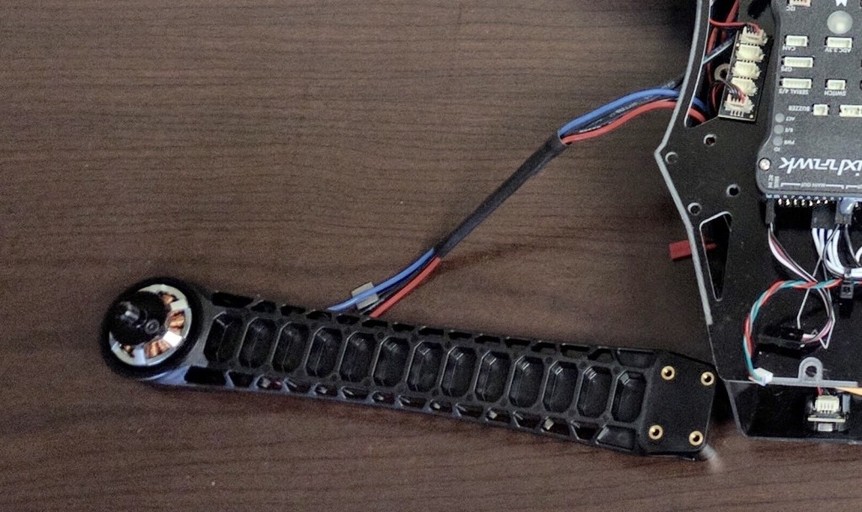
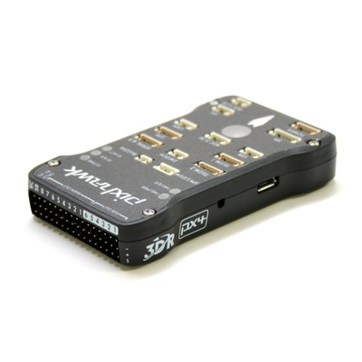
While the Iris+ is an excellent platform for aftermarket upgrades, especially of the 3D printed variety, it wasn’t designed to be as modular as we’d now like it to be, and so I ran into some wiring issues. When I first began disassembling the drone, I was happy to discover that all the wires leading to the Pixhawk flight controller, which serves as the brains of the drone, were completely connectorized, and were easily removable. This early win was quickly undone however.
Unfortunately, when I reached the electronic speed controller (ESC) and main power distribution board, which routes the correct amount of power to the brushless motors at the end of each arm of the drone, I found that the brushless motor leads were soldered directly to the board, after being routed through a small hole on the arms. In effect, this makes it impossible to remove the motor from the stock plastic arms without either destroying the arms, or cutting the motor leads.

Since I had just purchased the drone, it felt wrong to wreak wanton and irreversible destruction on the arms, so I chose to cut the motor leads instead.

I didn’t want to re-solder all the motor leads back together once we had installed the motors on the new carbon fiber 3D printed arms, since we might want to upgrade them with future designs. So I decided to add miniature 3.5 mm banana plugs to all of the leads for ease of use down the road.

I soldered the male connectors to all of the motor-side leads, and vice versa, and then added heat-shrink tubing to fully insulate all exposed conductive surfaces.


We’re almost ready to re-assemble the Iris+ and get it ready to fly! Check back with us soon in our final installment of this build log as we finish the drone up and take our first flight!
Want to see what you could do with industrial strength 3D printing? Check out a free a sample of parts printed on the Mark Two today!
모든 블로그와 블로그에 포함된 정보의 저작권은 마크포지드에 있으며, 당사의 서면 허가 없이 어떤 방식으로든 복사, 수정 또는 채택할 수 없습니다. 당사의 블로그에는 당사의 서비스 마크 또는 상표뿐만 아니라 계열사의 상표가 포함될 수 있습니다. 귀하가 당사의 블로그를 사용한다고 해서 당사의 사전 허가 없이 당사의 서비스 마크 또는 상표를 사용할 수 있는 권리나 라이선스가 부여되는 것은 아닙니다. 당사 블로그에서 제공되는 상표 정보는 전문적인 조언으로 간주되어서는 안 됩니다. 당사는 새로운 정보, 후속 이벤트 등을 바탕으로 블로그를 업데이트하거나 수정할 의무가 없습니다.
새로운 정보를 놓치지 마세요
Markforged의 최신 컨텐츠를 편지함으로 받으시려면 구독하십시오.